
Did you know around 75% of all sewerage system blockages are caused by wet wipes, including those labelled ‘flushable’?
And when you flush wet wipes down the toilet, those that don’t get stuck end up in wastewater treatment ponds, where they bind together to create a floating island of used wipes?
These islands stop sunlight from entering the poo ponds, seriously disrupting the delicately balanced treatment process that involves sunlight, bacteria and algae.
Power and Water Corporation removes a staggering 500 tonnes (around 100 truckloads) of wet wipes from just one of its wastewater treatment plants each year, in Palmerston.
Unlike toilet paper, which is designed to disintegrate quickly in water, wet wipes stay intact. This makes them useful for cleaning, but highly problematic for plumbing and wastewater treatment.
‘Even those labelled “flushable” do not break down like toilet paper. Instead, they clog pipes, block pumps, damage equipment and form floating islands in treatment ponds,’ Danny Browne, Power and Water’s Senior Technical Coordinator Water Services, said.
‘The wipes may disappear from your toilet bowl when you flush, but they don’t disappear from the system. And blockages can lead to costly and unpleasant overflows into homes, creeks and public spaces.’
Remember to only flush the 3 Ps – pee, poo, and (toilet) paper.
‘Every wipe that goes in the bin instead of the toilet helps reduce the risk of costly blockages and protects our environment,’ Danny said.
‘So do it for the environment, the sewerage system and your wallet.’
The message is simple but serious:
- Only flush pee, poo and (toilet) paper.
- Put everything else in the bin.
- Don’t block our pipes with wipes.
Next time you reach for a wipe, think before you flush: the loo’s not a bin.
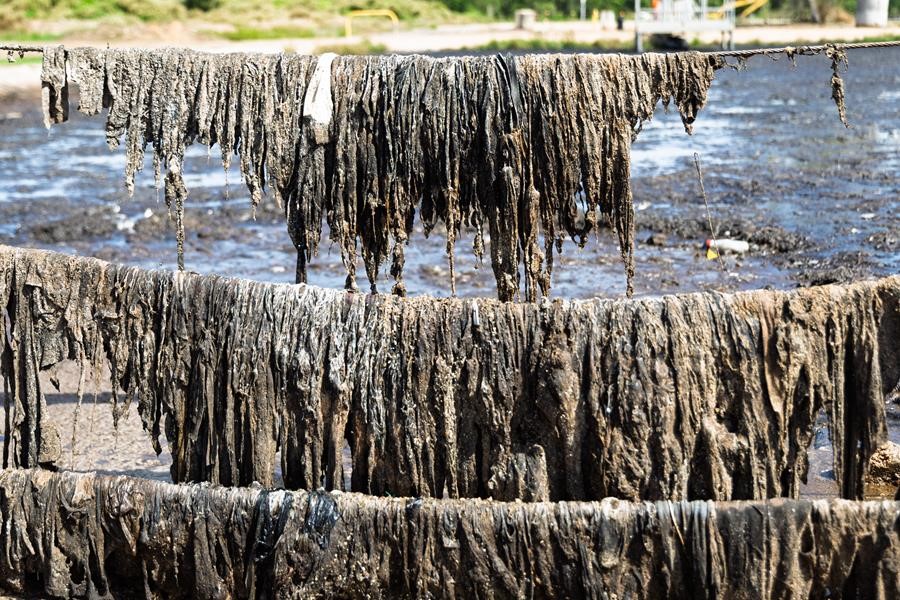
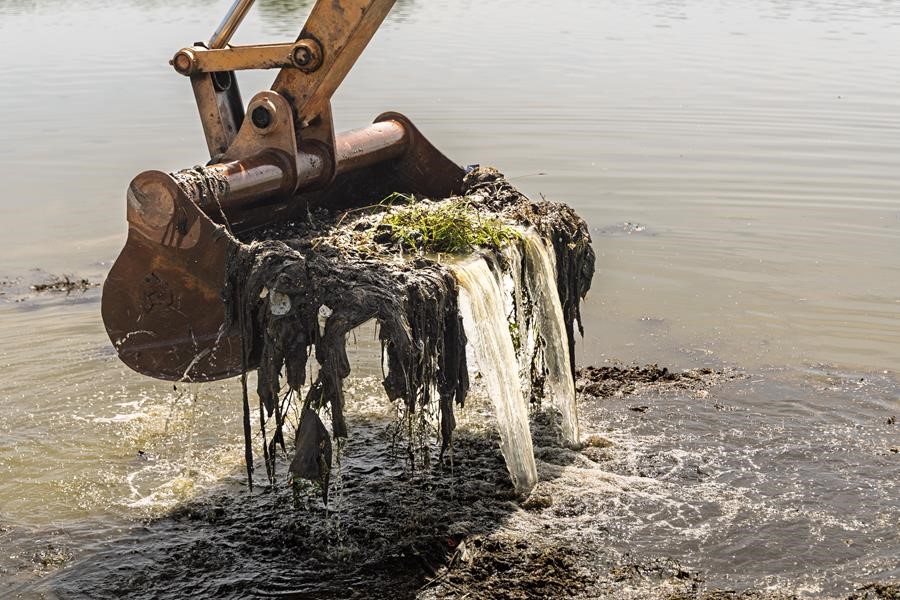
Caption: Wet wipes being removed from the Palmerston Wastewater Treatment Plant.
Media contact: 0401 117 599 / media@powerwater.com.au
